No Results Found
The page you requested could not be found. Try refining your search, or use the navigation above to locate the post.

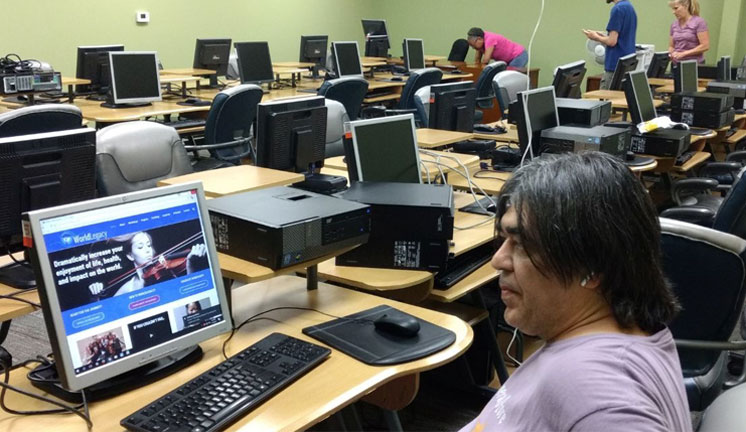
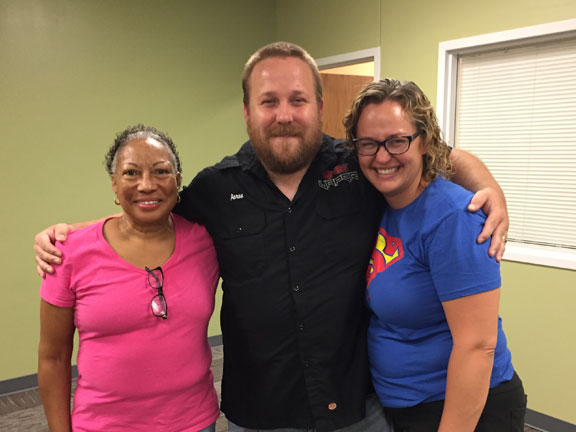
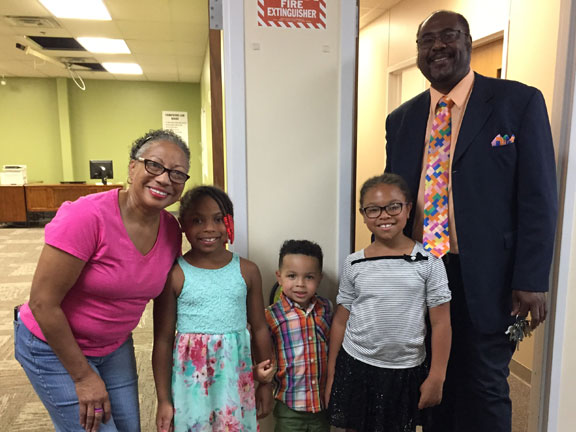
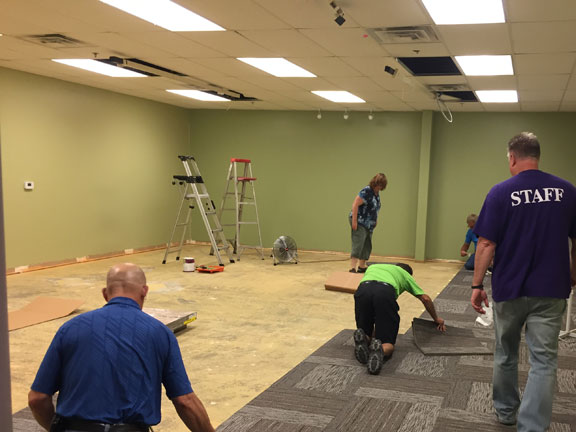
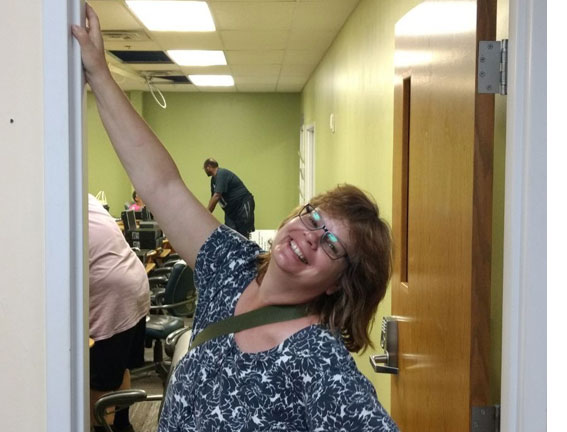
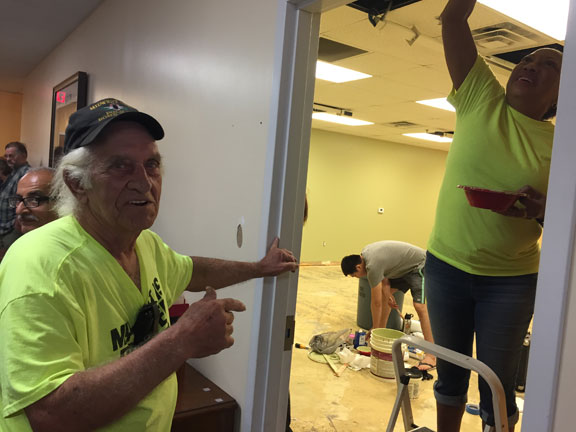
WorldLegacy’s NC164 Leadership Team will complete an extreme makeover in only two days of the Computer Lab at the Center for People in Need in Lincoln, Nebraska. This makeover will include the following: 26 new computers, monitors, keyboards, mice, and software, a new printer, new carpeting, newly painted walls, and signage in the six major languages represented in the County.
The page you requested could not be found. Try refining your search, or use the navigation above to locate the post.
The page you requested could not be found. Try refining your search, or use the navigation above to locate the post.
The page you requested could not be found. Try refining your search, or use the navigation above to locate the post.
The page you requested could not be found. Try refining your search, or use the navigation above to locate the post.
The page you requested could not be found. Try refining your search, or use the navigation above to locate the post.
The page you requested could not be found. Try refining your search, or use the navigation above to locate the post.
The page you requested could not be found. Try refining your search, or use the navigation above to locate the post.
The page you requested could not be found. Try refining your search, or use the navigation above to locate the post.
The page you requested could not be found. Try refining your search, or use the navigation above to locate the post.
The page you requested could not be found. Try refining your search, or use the navigation above to locate the post.
The page you requested could not be found. Try refining your search, or use the navigation above to locate the post.
The page you requested could not be found. Try refining your search, or use the navigation above to locate the post.
By Frank Harmon
JUNE 21, 2000
The Low Security Correctional Institution in Butner: How do you create a place of joy in such a menacing facility?
“Take off your shoes, please. Show me your left hand, and give me your driver’s license. You’ll get it back when you leave.” On a rainy night in February, a group of us are entering prison on a mission. Our dream is to remodel the facility’s visitation room into a place where children will enjoy, rather than avoid, visiting their fathers. But first the correction officers need to look in our shoes for weapons and stain our hands with invisible ink that shows up on cell-block scanners.
“Stand over there. No talking. Go one at a time through that door.” In groups of five, escorted by a corrections officer, we enter the prison yard.
Our volunteer group of 25 men and women includes a lawyer, a pizza-dough maker, two nurses, a refrigerator repairman and a corporation executive, and ranges in age from 18 to 58. We met three weeks earlier at a transformational workshop in Chapel Hill.
We call ourselves the Legacy Group, invoking the maxim of Spinoza that “everything great is just as difficult to realize as it is rare.” By completing a difficult project–and certainly a child-friendly room in this grim prison looks tough–we stand to free ourselves of doubts and limitations. “Our deepest fear is not that we are inadequate,” said Nelson Mandela. “Our deepest fear is that we are powerful beyond measure.”
Our goal is to help break the cycle of one-parent families, where fathers are isolated in prison, and often live to see their own children incarcerated. We have given ourselves three months to build a place of joy in a facility of menace.
The Low Security Correctional Institution (LSCI) sprawls across 10 acres of grassy land in Butner, about 20 minutes north of Durham. Built by the federal government in 1992 to hold 800 female prisoners, it now houses more than 1,300 men. Because LSCI was built for women, there’s not a single urinal in the prison.
The majority of inmates are young African Americans, usually from urban areas. In the ’90s, when the Dow Jones topped 11,000, a third of the black men in America were either in prison, on probation or parole.
“If present rates of incarceration continue, by 2010 more black men will be in prison than in high school,” the prison chaplain tells us. And indeed the squat, concrete-block buildings at LSCI look like a modern high school, if you ignore the razor-wire fences surrounding the groups, like a giant slinky with stainless-steel thorns, and the fact that all sidewalks and corridors end in locked gates.
We walk through the prison yard, which is bleached white in the winter night by spotlights on a spindly forest of aluminum poles. Even if it were dark, we could follow the corrections officer by his sound–a clump of keys, several as big as a knife, clanks at his side. By the time we reach the visitation room, three steel doors and a security station stand between us and freedom. As the last lock clunks into place, we go in.
The visitation room is an oblong, gray space about the size of a high-school lunchroom. All the surfaces are hard. When filled with visitors, the room is very noisy–inmates can go back to their cells hoarse. One long side of the visitation room is a glass wall that offers a view of a courtyard.
Tables and chairs for about 200 people fill the room, but tonight these tables, and most of the chairs, are pushed to the walls. In the center of the room, 30 inmates sit in a circle.
My role is to facilitate a group discussion with the inmates about what the visitation room will become, but I am anxious. From television and the newspapers, I imagine prison is a brutal, violent place. But these inmates, now sitting with the rest of us, look like people at a faculty meeting–except they’re all wearing khaki. “Violence in prison is a fraction of the violence I lived with on the streets,” an inmate later told me.
With no hesitation, the inmates tell us what their children need. “Our kids can be in here for six hours on a Saturday afternoon, and without something to do, they go out of their gourds,” one man says. They discuss books they’d like to share with their children, games to play, music. “With children you have to have a medium to talk,” says another inmate. Federal prison budgets don’t include toys.
By 10 p.m., we’ve worked out a concept to create a playground in the visitation-room courtyard, with playhouses and climbing structures, and for the inside we plan comfy seating areas for families, like a living room, and a toy and game library for the kids.
“There’s nothing in our prison sentence that says to separate families,” an inmate declares. After the meeting, we walk out through the prison yard, get our driver’s licenses back, and get home at 1 a.m., realizing that we’ve chosen a startlingly difficult project. For starters, it takes an hour to get to the prison, and another hour to go 300 feet from the prison door to the visitation room. Every decision is laden with rules and prison procedures. “But this project is perfect for us,” a team member says. “It forces us to work together.”
At 7 the next morning, I’m back at the prison to review our concept with the warden. The warden is 6 feet 4 inches tall. When his head turns, his body also turns like a searchlight to look at the sketch I’ve drawn. He approves the toy and game library and the family seating areas, but wants to modify the playground. “No playhouse or climbing structures,” he dictates. “Security problems.” Nevertheless he blesses our project.
Over the next few weeks our group enrolls more than 50 people–librarians, shop owners, carpenters, doctors–to donate toys, books, leafy plants and carpets. Kate Freiman, a psychologist at LSCI and a member of our team, collects ladders, paintbrushes and tarps from the prison workshop. “None of the inmates got here by being good,” she tells us, “but maybe people in the worst situation can still find ways of doing good.”
At 4 p.m. on a Saturday afternoon in late February, 16 of us show up in the prison parking lot with cans of paint, children’s books in Spanish and plants. Six hours later, we’ve painted the walls in bright green, yellow and blue, and started a children’s mural.
A 200-pound inmate with arms like mahogany pillars paints a snake on the mural. He sways to Master P on his Walkman. Painting next to him, 19-year-old Melissa, a student at Duke, sings along. “Man, you know all of Master P!” the inmate snorts. It turns out the two lived a few miles from each other in Durham before he was incarcerated.
In the courtyard, inmates plant azaleas and jasmine vines donated by a Raleigh nursery. “Man, we keep up the prison grounds all the time, but this we’re doing for the children!” says one man. There’s a lot of discussion about how to keep the smoking area away from children. Another group paints a hopscotch game on the pavement. “We’ll paint another coat during the week, boss. This is where we’re going to be at anyway.” Few of the inmates tell us why they’re in prison. Mostly we don’t ask.
Late in April, we hold a dedication ceremony for the visitation room. An inmate sings a song he has composed:
Hanging plants, colorful carpets, on the walls
We even had sound proofing installed.
Tarzan and friends for the kids while they play
So when they come, it will be a better day.
We all are one, we all had fun,
We have shown unity.
Another inmate says, “I can’t change my predicament, but maybe I can change myself. Instead of rolling in the bottom of a pit in the dirt, I can use the dirt to make a ladder.” We eat cake and hug.
Two Saturdays ago I went back to the visitation room to see how it worked. Families chatted in the seating areas we created, kids played with their fathers on the playground. But the sand play tables we installed, wildly popular with the children, were gone. The corrections officers found them too messy, and hard to clean up. Corrections officers are also custodians: Inmates are not allowed to touch trash because controlled substances or “connections” can be made.
“Maybe you made the visitation too friendly, too nice,” an inmate kidded me. “Now we can’t scare the kids who visit about prison.”
“Everything can be taken from a man but one thing; the last of human freedoms–to choose one’s attitude in any given set of circumstances, to choose one’s own way,” wrote Viktor Frankl about his concentration camp experience.
“Behind the walls of LSCI we saw the walls come down between people,” a Legacy volunteer said. “Inmates and volunteers overcame their doubts and fear. They became free.”
As I walked down the hill from the visitation room at dusk, I saw a mockingbird perched on the highest coil of razor wire above the prison gate. “When they first put up the razor wire, birds get caught in it and die,” the inmates told me. “But later the birds learn to live with it.” I claimed my driver’s license and went through the steel doors that clanged shut. Out in the parking lot I could hear the mockingbird singing.
Reprinted from the Independent Weekly
The page you requested could not be found. Try refining your search, or use the navigation above to locate the post.
The page you requested could not be found. Try refining your search, or use the navigation above to locate the post.
The page you requested could not be found. Try refining your search, or use the navigation above to locate the post.
The page you requested could not be found. Try refining your search, or use the navigation above to locate the post.
A community is coming together to improve a neighborhood. Bringing everyone together is the goal of designing and building a playground in the span of just one weekend.
Volunteers have braved the Kansas heat to convert a vacant lot in Oaklawn into a park. It’s a project enjoying plenty of community support.
While there are still signs of damage from the April 14 tornado that caused widespread damage in Oaklawn, they’re being replaced by the signs of progress and improvement.
“It’s fabulous the way everybody’s working together,” said Andree Sisco, a member of the Oaklawn Improvement District’s board of directors. “It really is great.”
Board members have been wanting to do something positive with a vacant lot left behind when an abandoned house in the 4500 block of Hemlock was torn down.
“We took the slab out to look at having it turned into a park someday,” Sisco said. “And then this wonderful organization came in and gave us the opportunity and they’ve just been fabulous.”
That organization is the WorldLegacy, a North Carolina-based company that provides corporate training and personal coaching across the country. Another strong focus of the WorldLegacy is community service.
The group got the idea for the Oaklawn project from team members from Wichita, who wanted to help the communities affected by the April tornado.
“They talked about Oaklawn and how it really got a lot of the damage,” said Jason Kunz, a WorldLegacy member from Minneapolis, Minn. “We talked to Oaklawn, talked to the board, and we got this lot open and everything just fell into place after that.”
Kunz left Minneapolis, picked up a disassembled playground in Duluth, Minn., and drove it to Wichita in the back of a U-Haul truck. In addition to about 20 WorldLegacy members, plenty of Oaklawn neighbors have been helping the project take shape, including some of those looking forward to using the playground the most.
No matter their size or age, everybody found a way to help out.
Work on the playground started Friday morning and the plan is for everything to be done by the end of the weekend.
“We have a ribbon-cutting ceremony tomorrow night at 7 o’clock,” Kunz said. “So we have to have everything done by 7 o’clock tomorrow night.”
Plenty more volunteers will be needed to reach that goal. Work will begin at the site of the new park, 4539 Hemlock in Oaklawn, about 8 a.m. Sunday and will continue until the playground is complete.
Oaklawn Playground Kansas Press Release
Contact: Amy Price for Immediate Release
Oaklawn Improvement District Playground Project
Wichita Kansas
WorldLegacy, June 29 2012. The Oaklawn community, 4539 Hemlock, Wichita, Kansas, is receiving an extreme makeover of a vacant lot to turn it into a playground for children and families. Members of the NC137 Leadership Team from WorldLegacy in Chapel Hill, NC are partnering with the Oaklawn community to create a beautiful fun and safe environment for the children in and around the community. This project is a part of WorldLegacy’s three month leadership development program. This playground project will include a safe fenced in area with benches, picnic tables, playground equipment and much more!
What makes this project unique is that the WorldLegacy Leadership team must design the project start to finish, cannot use any of their own money, must involve the community to do 75% of the work and also have it complete in a maximum of three days.
The area chosen for this project has recently been devastated by tornados. The playground project is intended to restore hope peace, serenity, security, fun and safety back into the lives of these children. The project helps to keep these children in a safe and nurturing environment and provides the means for children to discover their imagination, creativity and freedom to be a child as they so deserve.
The NC137 Leadership team requests your help to make this project possible the weekend starting June 29, 2012 at 8:00 am central time extending through Sunday July 1, 2012. We will start each workday at 8:00 am Friday, Saturday and Sunday. Join us in celebrating the completion of the project with a ribbon cutting ceremony on Sunday, July 1 at 7:00 pm.
This is your opportunity to give back to the community and make a difference! Volunteers, monetary, brick masons, landscapers, builders, electricians, helping hands are requested. Everyone is invited to come out and help make this vision become a reality. The playground project will send a powerful message to these children that they matter, are loved and are valued. Your donations will be tax deductible.
A teacher’s assistant from North Carolina, an industrial hygienist from St. Paul, Minn., a paralegal from London and a physical therapist and a mechanical engineer from Wichita will team up this weekend to build a playground for the children in Oaklawn who were affected by a tornado in April.
By Simina Mistreanu
A teacher’s assistant from North Carolina, an industrial hygienist from St. Paul, Minn., a paralegal from London and a physical therapist and a mechanical engineer from Wichita will team up this weekend to build a playground for the children in Oaklawn who were affected by a tornado in April.
They form the NC137 Leadership Team with WorldLegacy, an organization from North Carolina that provides leadership workshops. This is their attempt at making the world a better place.
Building the playground is the team’s final project for the workshop, which they all participated in the last three months. In order for their project to be successful, Amy Price, Tori Smith, Adam Price, Andrew Hadley and Jason Kunz need to involve donors and volunteers from the Oaklawn community.
“We actually got to choose any place in the country to go and make an impact,” said Amy Price, who works as a teacher’s assistant at a school for deaf students in Morganton, N.C. “Since tornadoes recently went through Wichita, and since we have two members on the team from the Wichita area, we felt that that would make the biggest impact, the biggest difference in the community.”
Adam Price, Amy’s son and a mechanical engineer for Spirit AeroSystems in Wichita, and Smith, a physical therapist who works near Oaklawn, attended a board meeting of the Oaklawn Improvement District to see what the area’s needs were. The board had discussed building a playground in the neighborhood for the kids whose families were affected by the tornado. The team took the idea and ran with it.
First, they made a list of the materials they needed for the project: concrete, rubber mulch, a playground structure with a swing set, park benches, picnic tables, trash cans, a fence. Then, they divided the tasks.
“The things that we felt most strongly about we took on individually,” Adam Price said. “If we had any type of background with some of the things needed on the list, then those were the items that we selected.”
They calculated the cost of the project at approximately $30,000. And they set a few rules: the team had to design the project themselves, could not use any of their own money, had to involve the community to do 75 percent of the work and had to have it completed in a maximum of three days.
They started approaching businesses for donations and volunteers for help. On Monday, they still needed funds for buying mulch and a playground structure and the help of as many volunteers as possible.
The team is expecting to attract 50 to 100 volunteers over the weekend, Smith said.
“We still are knocking on the doors in the neighborhood and letting them know what we’re up to, that we’re going to be putting up a playground for their kids to come and play,” Adam Price said. “After work or during lunch we’ll take off for a few minutes and drive over.”
The construction work at the playground will start Friday at 8 a.m. and end Sunday at 7 p.m. with a ribbon-cutting event with food and music.
“It’s just going to be really great to bring the community together around the playground,” Smith said. “And when we’ll get it done, it’s going to be awesome.”
The Wichita Eagle
The page you requested could not be found. Try refining your search, or use the navigation above to locate the post.
The page you requested could not be found. Try refining your search, or use the navigation above to locate the post.
The page you requested could not be found. Try refining your search, or use the navigation above to locate the post.
The page you requested could not be found. Try refining your search, or use the navigation above to locate the post.
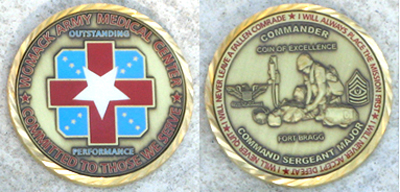
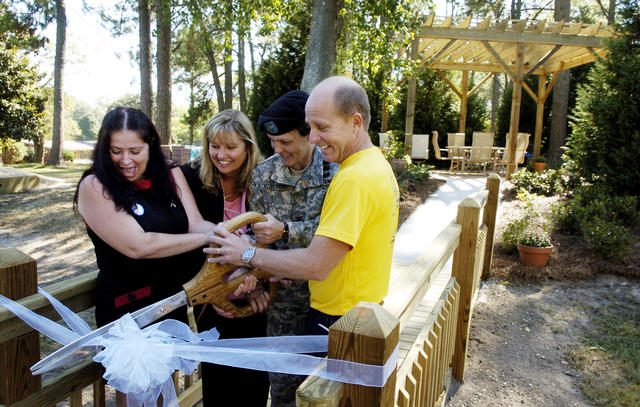
The Fisher House dedicated “Freedom Garden” Monday in a ceremony at the home on Fort Bragg. Paula Gallero manager of the house, left; Debbi Marlowe; Colonel Terry Walters, commander of Womack Army Medical Center, and Jorge Goti, all cut the ribbon to dedicate the new garden, seen in background. ***for laura story about the dedication****8
Author: Laura Arenschield Staff writer Until this past weekend, the patio outside a house where families of wounded soldiers stay on Fort Bragg looked bare — a stone floor, a few cedar trees, a grill. Soldiers in wheelchairs often could not use the patio after a rainstorm because they could not navigate the muddy yard between the house and the grill. About a month ago, though, a group of 11 people taking a leadership class at WorldLegacy near Raleigh adopted the house as its final project. One person in the class was planning to run the Marine Corps Marathon and had found out about the Fisher House. The house provides families a free place to stay on Fort Bragg while family members are receiving long-term care at Womack Army Medical Center. A Fisher House is like a Ronald McDonald House, but for the military. This past weekend, a WorldLegacy leadership group transformed the house’s patio into a garden, complete with a trellis, new patio furniture and a wooden bridge that arches over the grass to link the house with the patio. On Monday, Fisher House employees and volunteers celebrated a ribbon-cutting ceremony with the group under the new trellis. Group members are students at WorldLegacy, a company in Morrisville that teaches leadership skills to adults. The project required them to persuade other people to donate materials, money and their time to build something that would stay in the community. They had five weeks to do the persuading, but only two days to construct whatever they decided to build. About 50 people came to help build the garden this past weekend, planting flowers and hammering wood into place. The group persuaded companies to donate telephones, comforters and a couch for the inside of the house. Jorge Goti, an immigrant from Cuba and the student who is running the Marine Corps Marathon, said he wanted the group’s project to support the military. “I am a passionate lover of this country, and I am a passionate lover of the freedom we have,” he said, addressing the soldiers at the ceremony. “It is a shame how many of us don’t thank you guys when we walk in the airport.” Col. Terry Walters, Womack’s commanding officer, helped cut the ribbon stretched across the bridge. After Goti spoke, she gave him her coin, a military symbol for thanks. “It is very, very important to have someone say thanks,” she said. “And that’s what this is to us.” Lori Todd, director of WorldLegacy, said the center has offered the leadership course for 11 years. Other teams have built playgrounds for homeless children and improved areas where prisoners visit with their families. This project is the first involving the military and the first in Fayetteville, she said. WorldLegacy students were not allowed to use any of their own money, and 75 percent of the work had to be done by other people. This project cost between $40,000 and $50,000, she said. People, for the most part, want to help each other, Todd said, and many companies are willing to donate money or materials. They just need a project to join. “You get people involved from the community,” she said. “If we do that everywhere, we would have peace.” Reprinted with permission from The Fayetteville Observer, Fayetteville, NC
WorldLegacy at Fort Bragg Fisher House
WorldLegacy NC95 Leaders created the most amazing flower garden, patio and sitting area among nature’s wonders at Fort Bragg Fisher House. This was an extreme makeover of the outside of Fisher House at Ft. Bragg. We created a 16 x 16 arbor and a 15 ft. bridge- walkway that leads to this garden. When you look out the back door everyone will walk this landscaped walkway to the garden where patients and family members will have a place for healing. These people will experience all of nature and the love that other people care about them. The Ft. Bragg Fisher House is like a “Ronald McDonald House” for military people being treated at the hospital. During our WorldLegacy project, a father came up to us to share his story of his son’s surgery and cancer and how this project makes a difference for so many people. The thoughts of all the people that will experience this beautiful place send cold chills down my body. Love to everyone, touch someone today-make a difference today! Love, Debbie NC95 Fisher House, Fort Bragg, NC read more WorldLegacy Fisher House
The page you requested could not be found. Try refining your search, or use the navigation above to locate the post.
The page you requested could not be found. Try refining your search, or use the navigation above to locate the post.
The page you requested could not be found. Try refining your search, or use the navigation above to locate the post.
The page you requested could not be found. Try refining your search, or use the navigation above to locate the post.